Emergency Chimney Services Ohio
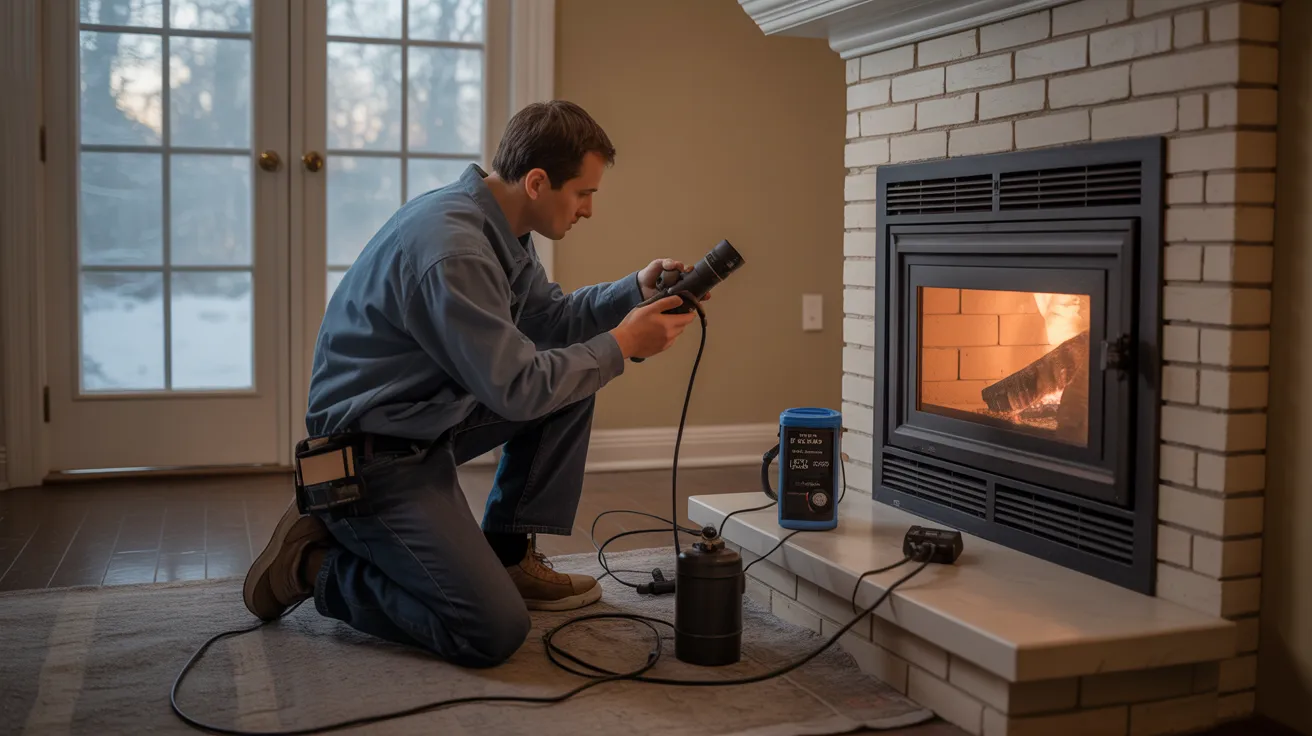
Connect with CSIA/NFI-certified chimney specialists in Ohio who follow NFPA 211 and local regulations to assess, service, restore, and improve your system. You'll get documented draft and CO measurements, safety inspections, creosote assessment, and inspection of caps, crowns, flashing, and liners. Services include HEPA sweeping, waterproofing, masonry restoration, stainless caps, top-sealing dampers, and EPA-certified inserts. Correct liner sizing and insulation enhance safety and efficiency. Ask for photo reports, permits, warranties, and insurance. Understand how to select the right provider and solutions today.
Essential Points
- We provide CSIA-standard inspections following NFPA 211 and Ohio code, including comprehensive records of draft testing, CO levels, required clearances, and detailed Level II reports supported with photographic evidence.
- Professional chimney sweeping and creosote removal with specialized HEPA vacuum technology; scheduled seasonal maintenance and ventilation and moisture management to prevent buildup and ensure safety.
- Immediate service for carbon monoxide detectors, smoke issues, drafting problems, water damage, chimney deterioration, or blockage concerns.
- We specialize in repairs and waterproofing including crowns, caps, flashing, mortar restoration, and vapor-permeable sealers, along with wildlife protection through custom-fitted screens.
- We specialize in liner installations and efficiency improvements, including durable stainless steel chimney liners, EPA-approved inserts, advanced sealing dampers, and expertly adjusted draft control for safer and more efficient operation.
Why Routine Chimney Inspections Matter in Ohio
Even with minimal fireplace usage, Ohio's seasonal weather patterns can swiftly damage masonry, flue liners, and caps. Periodic chimney inspections are necessary to verify read more structural stability, clearances, and venting compliance per NFPA 211 and local code. A certified technician will examine creosote buildup, look for moisture damage, assess crown and flashing, and confirm that chimney components operate correctly. They'll also check combustion air pathways and evaluate carbon monoxide hazards.
Regular inspections assist with seasonal upkeep by spotting early signs of damage like hairline mortar cracks, spalling masonry, and metalwork degradation before major problems develop. You'll minimize fire risks, boost chimney efficiency, and extend equipment lifespan. Be sure to implement wildlife prevention by confirming well-maintained protective barriers sized to prevent birds, squirrels, and raccoons from building homes without blocking ventilation.
Key Signs It's Time for Emergency Chimney Service
Regular inspections identify problems early, but you should be alert to indicators that need prompt attention to maintain compliance with NFPA 211 and Ohio building codes. Should you observe lingering smoke smell, inadequate airflow, or soot staining, you might have a flue blockage or heavy creosote deposits that increases fire risk. Set up CO alarms and consider all CO alarms emergency situations. Watch for dampness on surfaces near the chimney, which suggest a compromised cap. Listen for chimney pests and blockages. Examine for chimney lean, deteriorating stonework, or spalling-structural issues needing prompt evaluation. Problematic or poorly burning fires suggest draft concerns. Any exhaust backup, ember discharge, or falling debris warrants a CSIA-certified inspection without delay.
Essential Guidelines for Yearly Cleaning and Creosote Removal
To maintain safety and performance, book a CSIA-certified maintenance service annually during the heating period - or increase frequency with heavy usage or observe Stage 2-3 creosote. This follows NFPA 211 recommendations and minimizes creosote buildup. Schedule during non-peak seasons to secure preferred dates. A trained specialist will evaluate flue condition, draft performance, spacing standards, and connector status, followed by removing accumulated creosote and soot using professional-grade cleaning equipment and HEPA air filtering.
You can assist between uses by following these guidelines: use only seasoned hardwood (containing less than 20% moisture), ensure proper air flow to prevent smoldering, and ensure flue temperatures steady. Mount a thermometer on stoves and make sure smoke path components fit tightly. After using each cord, check for 1/8 inch deposits; if you find 1/4 inch, cease operation until cleaning is completed.
Comprehensive Services: Masonry Restoration, Crown & Cap Installation, Waterproofing
Once creosote is managed, it's crucial to keep the structural stability and weather resistance of your chimney. The freeze-thaw patterns in Ohio often deteriorate masonry joints and brickwork, so plan mortar repair using ASTM-compliant construction products and compatible joint tooling for present joint work. Rebuild deteriorated crowns using a bonded, fiber-reinforced cement mixture, correctly sloped and incorporating an overhanging drip edge for water protection. Fit or update stainless-steel caps with rust-resistant hardware and appropriate spark arrestors sized to the flue termination.
Prioritize the repair of flashing where roofs intersect, incorporating step and counter-flashing into mortar joints correctly. Follow NFPA 211 guidelines. Treat exterior masonry with vapor-permeable waterproofing and don't use film-forming sealers that lock in moisture. Keep thorough documentation of all repairs, drying times, and warranties, and set up routine seasonal inspections to ensure optimal function.
Chimney Liners: Types, Benefits, and Installation
You will select the right liner material - consisting of stainless steel, aluminum, clay tile, or cast-in-place - is based on code requirements, fuel type, and flue specifications. An appropriate liner improves draft, boosts appliance efficiency, and protects masonry from thermal and chemical damage to maintain UL-listed clearances and NFPA 211 compliance. Throughout installation, a certified technician measures and selects the liner, installs insulation as required, positions and fastens the system, fastens joints and termination, and performs safety testing to confirm proper function.
Liner Material Choices
Selecting the proper chimney liner material starts by aligning it with the specific appliance, fuel source, and local regulations. Stainless steel liners are versatile, long-lasting, and come UL-listed for wood, gas, and oil systems. You can choose between rigid stainless for straight flues or flexible stainless for curves; opt for 316 alloy for wood or oil burning and 304 for gas where allowed. Always insulate as required to ensure required safety clearances and proper exhaust heat levels.
Ceramic options include both clay tile and cast-in-place solutions. Clay provides a cost-effective option for new masonry work but requires appropriate sizing and intact joints. Cast-in-place installations fortify existing stacks and create a continuous, high-temperature-rated flue.
Factor in corrosion rating, thermal shock resistance, and diameter requirements in accordance with NFPA 211 and manufacturer requirements. Remember to verify connector compatibility, end components, and Ohio building code compliance prior to installation.
Safety and Efficiency
While liner selection begins with sizing and materials, operational safety and efficiency depend on how well the liner controls heat, draft, and combustion byproducts according to building codes. There must be a correctly dimensioned, continuous flue channel to stabilize draft, optimize fireplace ventilation, and prevent flue-gas cooling that creates acidic or creosote condensation. Adequate insulation preserves chimney temperature, enhancing burn performance and reducing fire hazards. Chemical-resistant liners manage moisture and carbon monoxide, protecting the masonry and nearby combustible materials.
Match the liner diameter based on the appliance outlet per NFPA 211 and manufacturer listings; excessive diameter diminishes draft, undersizing increases stack temperature and gas escape. Check all connections and spacing meet gas-tight standards. Place carbon monoxide detectors at every level and near sleeping areas. Schedule annual Level II inspections and document performance metrics: temperature, carbon monoxide levels, and draft parameters.
Installation Guide Overview
Installation centers on establishing a uninterrupted, code-compliant flue system that corresponds to the equipment and ventilation needs. To begin, we verify the appliance BTU rating, fuel type, and chimney height to accurately dimension the liner according to NFPA 211 and manufacturer guidelines. We obtain local permit documentation, document existing parameters, and schedule required inspections.
After that, we prepare the flue, remove debris, and fit the chosen liner (stainless steel), using insulated components where clearance-to-combustibles necessitates. We terminate with a certified cap, attach top plate, and airtight thimble or appliance connector. We then conduct a smoke test to ensure proper function.
Most retrofits are completed in a single day; but intricate offsets, masonry fixes, or weather-related delays may extend the timeline to 2-3 days. You'll receive final inspection certification and complete documentation.
Efficiency Upgrades: Inserts, Dampers, and Draft Solutions
Enhance performance while lowering emissions by adding a premium fireplace insert that's properly sized and vented to your flue. Install a sealed, top-mounted damper to reduce standby heat loss, keep out moisture and pests, and comply with local mechanical and fire code requirements. To complete the upgrade, improve draft control with precision sealing, flue shelf and throat refinements, and pressure-balancing solutions to prevent backdrafts and preserve safe operation.
Premium Fireplace Inserts
Enhance heating efficiency and reduce fuel consumption by fitting a premium-grade fireplace insert crafted to satisfy modern safety codes and emissions guidelines. You'll upgrade an open masonry fireplace into a contained combustion system with a qualified liner, heat-resistant surround, and secure door gaskets that improve efficiency and lower particulate emissions.
Choose a gas, wood, or pellet insert sized correctly to accommodate the room's heat load to ensure efficient zone heating. We'll verify safe installation distances, hearth protection, and appropriate venting according to NFPA 211 and Ohio Residential Code. Optimized airflow is critical: we pair the insert to a listed stainless liner, set correct flue height, and balance combustion air to minimize backdrafts.
Look forward to controlled burns, increased duration, and reliable thermostatic control-plus more secure operation, more straightforward maintenance, and decreased fuel consumption.
Top-Sealing Damper Benefits
Often underestimated, a top-sealing damper offers vital protection by closing off the flue at the top. This crucial element stops the escape of climate-controlled air, stops downward air movement, and protects against water intrusion and animals. With its strategic placement, it effectively minimizes the chilly air mass in the flue, which improves energy retention and reducing stack-effect heat loss during Ohio's cold season. Furthermore, you'll protect your flue from weather-related deterioration, reducing freeze-thaw damage and wear.
The unit features stainless hardware and a high-temperature gasket, functioning via a firebox-mounted cable. It's required to ensure complete opening before starting any fire to guarantee proper combustion and safe venting as specified by NFPA 211. Our team measure and anchor the frame to match your flue tile, verify lid travel and seal compression, and validate smoke-tight closure for code-compliant performance.
Draft Prevention and Sealing Solutions
Optimizing draft control starts with sealing the whole system throughout-firebox, throat, smoke chamber, flue, and cap-so air and exhaust gases move as designed without heat loss. You'll minimize leakage that chills the chimney, weakens draft, and risks smoke reversal. We install standard-conforming refractory repairs, apply smooth parging to chambers, repair clay joint connections, and seal stainless liners with listed components. Then we adjust air circulation: ensure proper flue sizing, confirm adequate makeup air, and fine-tune damper operation for proper air pressure. Installations include precise-fitting frames and protected ducts to stop unwanted airflow. We check clearances to combustibles, correct stack height, and CO protection. Lastly, we verify pressure levels, check draft with a manometer, and maintain detailed records for your files.
Finding a Qualified Chimney Specialist in Ohio
When selecting a professional to inspect, sweep, or repair your chimney in Ohio, make sure to verify they possess proper, acknowledged qualifications and satisfy state and local code requirements. Verify CSIA or NFI certification and evidence of ongoing education. Request written details, photo documentation, and code references for all Certified inspections. Confirm they follow NFPA 211, IRC/IMC, and manufacturer listings for system components, distances, and outlets.
Verify licensing checks with the Ohio Construction Industry Licensing Board where applicable, and confirm the contractor carries Ohio-accepted insurance coverage for liability and workers' compensation. Ask for up-to-date local permits and inspection sign-offs. Verify their BBB standing, verified expertise for gas appliances, and CO detection methods. Obtain comprehensive estimates, warranty documentation, and a clear remediation plan for Level 2 findings upon completion of chimney relining or appliance replacement.
Frequently Asked Questions
What's the Average Cost of Chimney and Fireplace Services in Ohio?
You'll typically pay $100-$250 for a Level 1 sweep, $200-$400 for safety inspections, and $300-$1,200 for basic masonry and crown work. A full relining project runs $1,500-$4,000; tuckpointing averages $8-$20 per linear foot. New installations and rebuilds depend on local codes and material choices. Expect emergency fees of $100-$300 for non-standard hours. Request written, code-compliant scope including NFPA 211 standards and liability coverage documentation. Verify Level 2/3 inspections prior to real estate transactions or following fire incidents.
Are Seasonal Discounts and Maintenance Plans Available?
Indeed - many providers offer seasonal promotions and maintenance subscriptions. With heating-season demand rising up to 30%, you'll get better rates by booking in the off-season. Look for discounted NFPA 211-compliant Level 1 inspections combined with sweep services, priority scheduling, and multi-flue pricing. Annual maintenance subscriptions usually include leak inspections, cap/damper inspections, and CO/combustion safety verification. Verify written scope, code compliance, and CSIA certification, and verify exclusions (masonry repairs, liners) before registering to preserve safety and warranty validity.
How Much Time Should I Allow for a Chimney Service Call?
Plan on an hour to hour and a half session. This appointment time encompasses the setup process, property access, and thorough NFPA 211 inspection. You will get a thorough Level I visual inspection, plus draft and clearance evaluations, and a professional inspection checklist confirming flue integrity, cap condition, crown, firebox, and smoke chamber. Should sweeping be needed, expect another 30-60 minutes with professional HEPA vacuum equipment. Camera inspections (Level II) or masonry work will extend the duration. Remember to confirm pets are secured and the firebox has been cold for 12 hours before our arrival.
Do Ohio Municipalities Require Specific Chimney Permits or Inspections?
Yes - numerous Ohio cities mandate chimney permits and inspections. Picture sparks meeting dry leaves: that's why building codes and safety ordinances exist. You'll typically need a permit for fireplace installations, chimney relining, flue modifications, or height adjustments, with inspections at rough-in and final. Check local modifications to the state building code, zoning regulations, and safety guidelines. Reach out to your building authority, submit your plans, and book inspections to ensure regulatory compliance, insurance coverage, and safety.
Are Wood, Gas, and Pellet Appliances Included in One Service Visit
Absolutely, but it's contingent on meeting each unit's specific requirements. You're dealing with different fuel types and venting differences, so a comprehensive check can include all systems, but maintenance requirements differ. Technicians verify clearances, connectors, and terminations; check draft, combustion air, and CO; and maintain appropriate flue systems for wood, gas, and pellet systems. They adhere to NFPA 211 and manufacturer specs, note problems, and recommend additional maintenance, replacement parts, or detailed testing as required.
Wrapping Up
There's a common misconception about the theory that Ohio's milder winters mean regular chimney care isn't necessary. Verify this yourself: inspect your flue after one heating period. You'll likely encounter glazed creosote, freeze-damaged masonry, or a compromised cap-all NFPA 211 hazards. When you book Level I-II inspections, code-compliant cleanings, and UL-listed dampers or liners, you reduce ventilation problems, safety risks, and structural issues. Select a CSIA- or NFI-certified expert, confirm permits, and insist on written documentation and images. Safety and efficiency aren't seasonal. They're essential.